Aurelina Monogram: Elegant Typography for Lasting Impressions
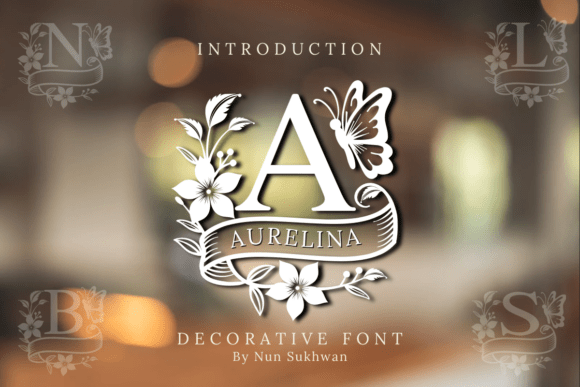
Imagine a font where each letter blooms with intricate floral vines and delicate butterflies, transforming simple text into a work of art. This is the essence of Aurelina Monogram, a beautifully ornate decorative typeface designed to infuse projects with vintage charm and nature-inspired sophistication. For graphic designers, marketers, and creative professionals, selecting the right typography is a foundational decision that impacts visual communication, brand perception, and user engagement.
The Role of Ornate Typography in Modern Design
In an era dominated by clean sans-serifs and minimalist layouts, a font like Aurelina Monogram serves a distinct and powerful purpose. It steps beyond basic readability to become a central design element, evoking emotion and establishing a specific aesthetic tone. Its detailed, handcrafted appearance connects with audiences on a sensory level, making it ideal for projects where storytelling and elegance are paramount. This type of typography excels in creating a strong visual hierarchy, drawing the eye to key information like monograms, logos, or headline text.
Practical Applications for Creative Projects
The versatility of an ornate font allows it to enhance a wide array of creative assets and professional presentations. Its detailed nature demands thoughtful application to ensure it complements rather than overwhelms a design system.
- Brand Identity & Logo Design: Aurelina Monogram can form the cornerstone of a luxury, artisanal, or boutique brand's identity. It is particularly effective for creating distinctive monogram logos, wedding stationery suites, or logos for businesses in floral, beauty, or high-end retail sectors.
- Marketing & Social Media Graphics: Use it for impactful headline text in digital advertisements, social media posts, or email headers to grab attention. It adds a premium feel to promotional materials, especially for seasonal campaigns or product launches in the lifestyle space.
- Editorial & Web Design: In editorial layouts, such as magazine features or book covers, it sets a sophisticated mood for titles and pull quotes. For web design, it can be used sparingly in hero sections or navigation menus to create a memorable UX design moment, though pairing it with a highly legible body font is crucial.
- Packaging & Merchandise: The font’s intricate details translate beautifully to print design, adding value perception to product packaging, labels, and tags. It can also elevate merchandise like tote bags, stationery, or apparel where custom typography is a selling point.
Tips for Effective Implementation
Integrating a detailed decorative font into a professional design workflow requires strategic thinking to maintain clarity and cohesion.
- Prioritize Readability & Scalability: Ornate fonts are best used at larger sizes where their details can be appreciated. Always test your designs at various scales, from a small favicon to a large banner, to ensure the letterforms remain clear and impactful.
- Establish a Strong Visual Hierarchy: Pair Aurelina Monogram with simpler, neutral typefaces for body copy. This contrast ensures the decorative font commands attention for key elements without sacrificing overall readability or creating visual clutter.
- Consider Your Color Palette & Composition: The intricate details of the font can be enhanced or subdued by color. A monochromatic palette can look elegant, while a selective accent color can highlight specific flourishes. Ensure the overall composition has ample breathing room to let the typography shine.
- Align with Audience Expectations: This style resonates deeply with audiences seeking romance, nostalgia, or artisanal quality. It may not align with a brand targeting a sleek, ultra-modern, or corporate-tech aesthetic. Understanding your target user's preferences is key to effective visual communication.
Ultimately, the choice of typography is a fundamental pillar of design quality and brand storytelling. A resource like Aurelina Monogram offers more than just letters; it provides a gateway to a specific aesthetic, enabling designers to craft experiences that feel luxurious, thoughtful, and deeply personal. By applying such creative assets with intention—balancing their ornate beauty with principles of usability and clarity—you can significantly elevate the visual impact and emotional resonance of any project, turning ordinary communications into memorable design moments.